

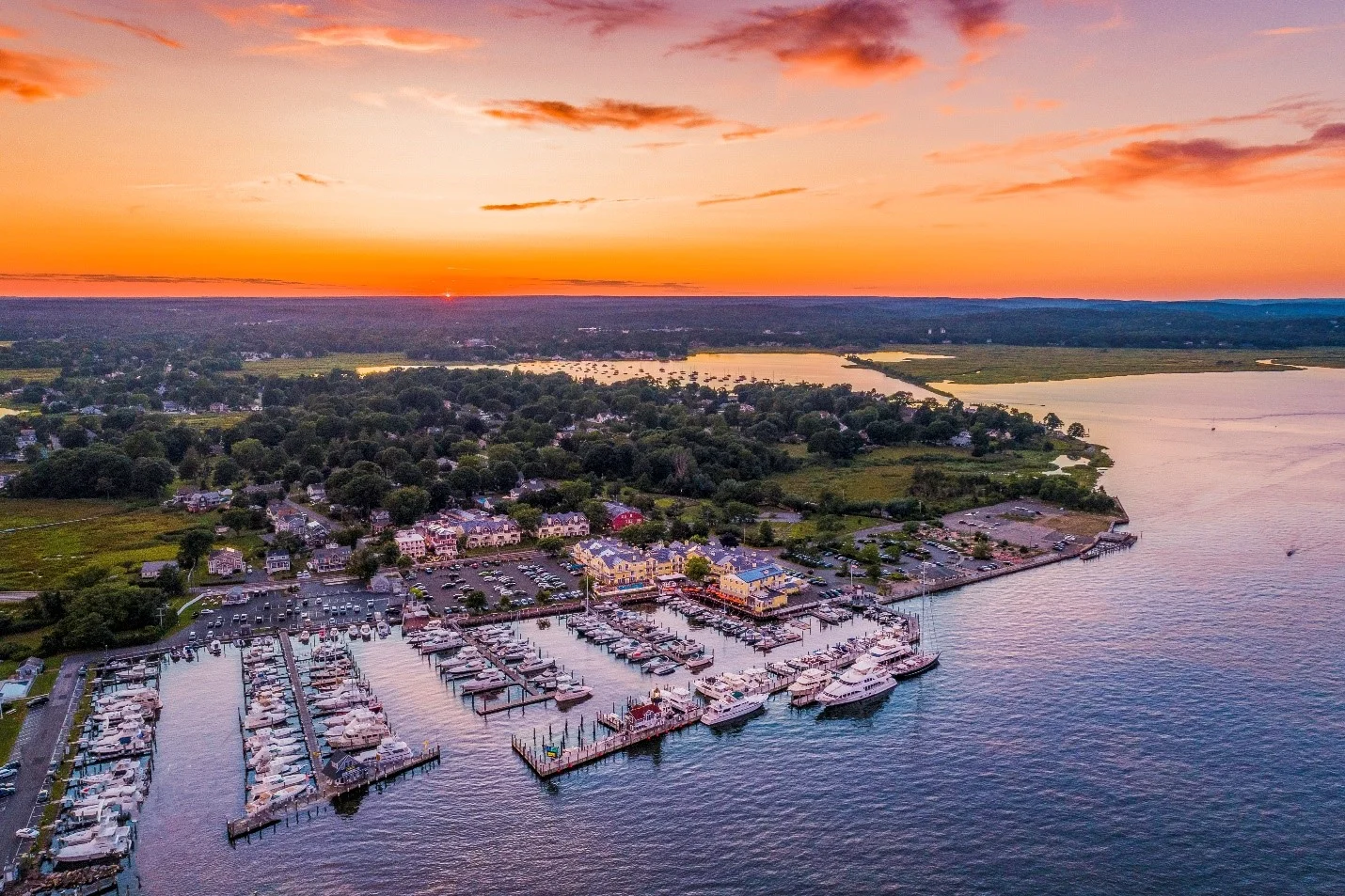
When you look out across the calm waters near Saybrook Point today, it’s hard to imagine that this peaceful marina and lighthouse setting was once at the center of intense commercial ambition. Yet for centuries, the shifting sandbars at the mouth of the Connecticut River shaped Saybrook’s destiny and ultimately preserved the natural beauty that draws boaters and travelers here now.
From Obstacle to Opportunity
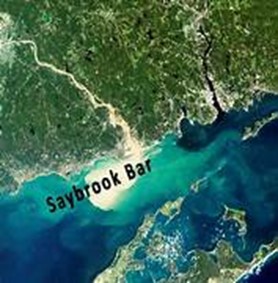
From the earliest Dutch and English explorers, Saybrook’s sandbars were a navigational challenge. Constantly shifting shoals made it difficult for large vessels to safely enter or leave the river. Unlike other deep-water harbors along the Connecticut coast, this problem was uniquely Saybrook’s.
In the 1700s and early 1800s, ships often had to wait for high tides or spring floods just to cross the sandbars. As a result, Saybrook’s maritime trade relied on shallow-draft sailing vessels and later steamboats, connecting the town to coastal and Caribbean trade routes. Hartford, Middletown, and Saybrook grew together as important river ports, despite the challenges.
A Port That Almost Was
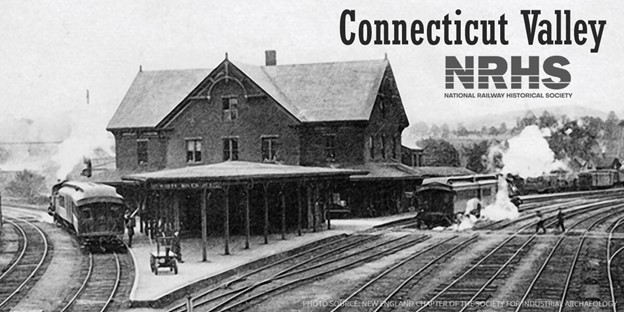
By the late 19th century, Saybrook Point stood on the brink of transformation. The arrival of the Connecticut Valley Railroad, combined with dredging projects and the construction of stone breakwaters, positioned Saybrook as a serious contender among Connecticut’s major commercial ports.
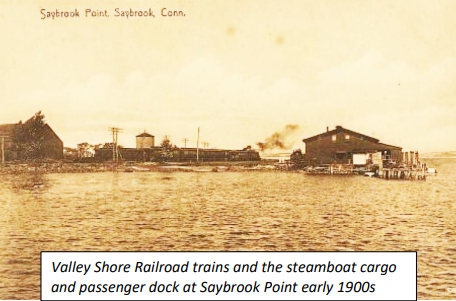
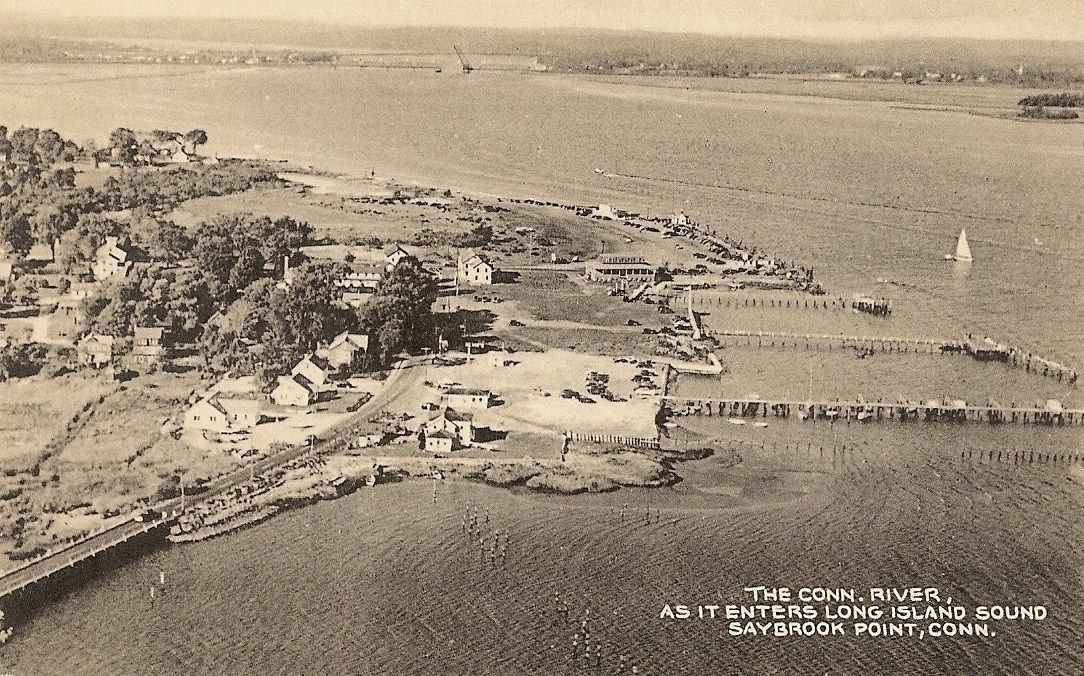
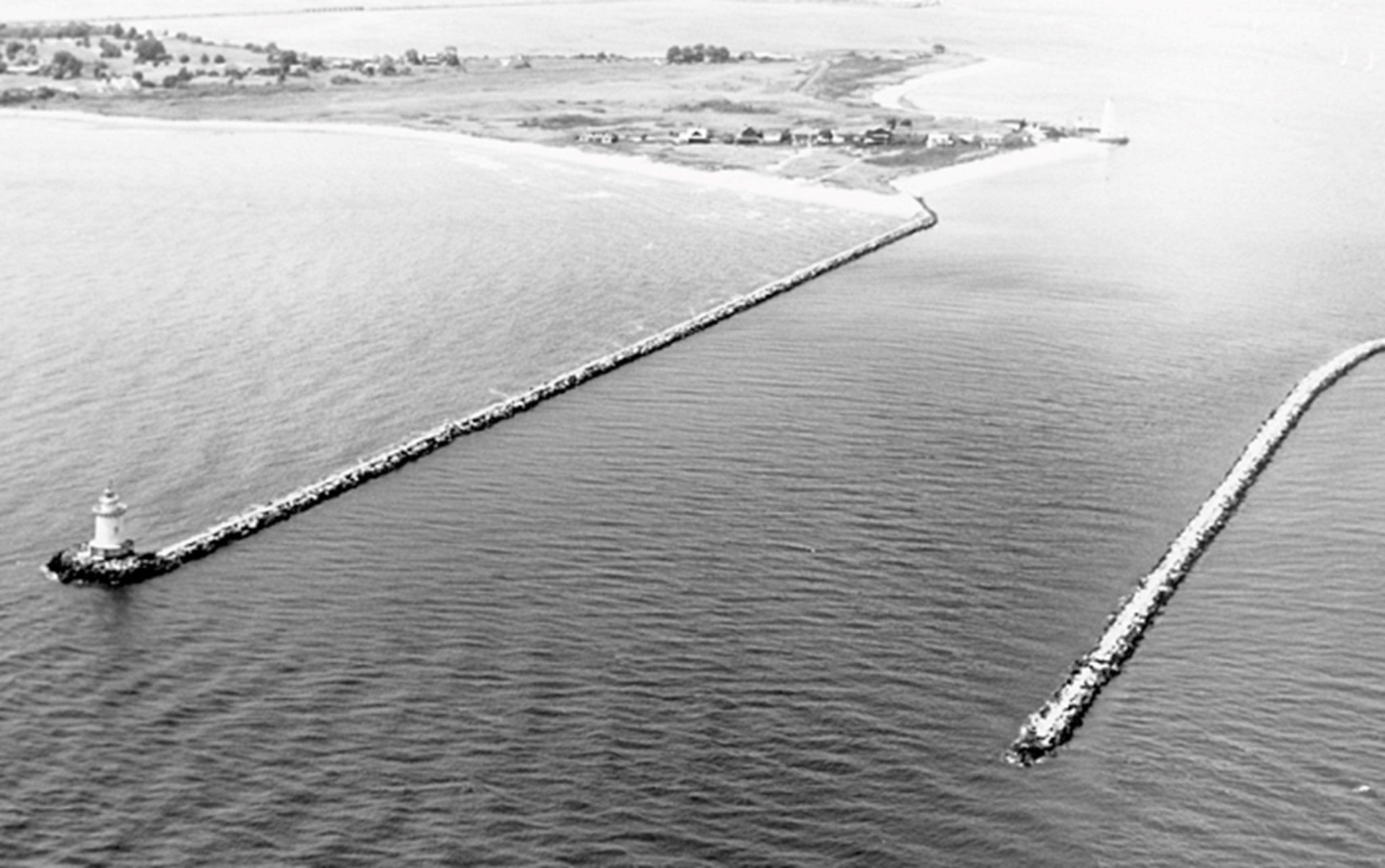 In the early 1900s, Saybrook Point looked nothing like the scenic destination guests enjoy today. The waterfront was a gritty industrial hub filled with rail yards, coal bunkers, engine houses, and switching towers. Thirteen rail lines crisscrossed the area, and the docks operated year-round, which was an advantage over upriver ports that required icebreakers in winter.
Had history taken a different turn, Saybrook Point might have been lined with fuel depots, heavy shipping infrastructure, and industrial waterfront facilities rather than marinas, parks, and scenic river views.
How Bankruptcy Changed Everything
That future ended abruptly in the 1920s when the Connecticut Valley Railroad went bankrupt. Tracks were removed, facilities abandoned, and commercial expansion plans dissolved. Without rail access, the dream of a deep-water industrial port vanished.
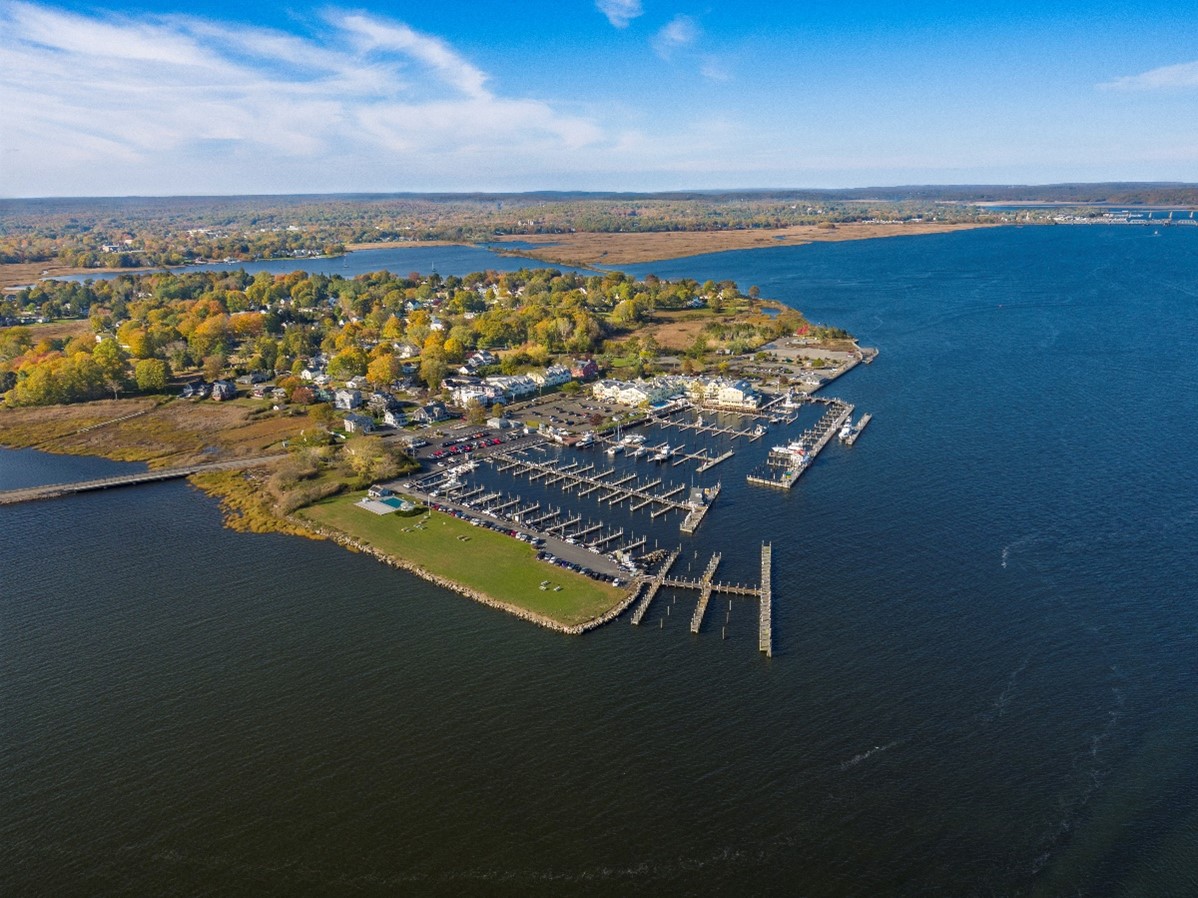
What followed was a dramatic shift. Today, visitors enjoy sweeping river views from the elegant Saybrook Point Resort & Marina, along with serene beaches, quiet coves, and a shoreline defined by natural beauty rather than industry. Monument Park now occupies ground once crossed by steel rails, and the riverfront has become a place of leisure, reflection, and connection to the water. Explore the beauty.
Why Today’s Guests Benefit
Ironically, the same sandbars that once frustrated merchants now protect one of the nation’s most significant natural estuaries. For marina guests, boaters, and lighthouse visitors, this means:
- Calm, protected waters
- Abundant wildlife and birdlife
- Scenic river views unmarred by heavy industry
- A rare blend of maritime history and natural preservation
Saybrook didn’t become a commercial giant, but it became something far more special.
Next time you watch the tide roll in, remember: the sandbars didn’t just shape Saybrook’s past. They saved its future.